Home Comfort That Works Every Day
Residential HVAC Services in Laredo, San Antonio, and surrounding areas for homes with uneven cooling, rising energy bills, or systems nearing the end of their useful life
South Texas summers consistently push air conditioning systems to operate at maximum capacity for months on end, exposing weaknesses in undersized equipment, aging components, and poorly maintained units. E and E Air Conditioning handles residential heating and cooling services that address these challenges through installation, repair, maintenance, and system upgrades tailored to how your household actually uses conditioned air. Your system's ability to maintain consistent temperatures throughout every room depends on correct equipment sizing, functional ductwork, and components that operate within manufacturer specifications.
Uneven cooling between rooms typically indicates duct leaks, inadequate return air pathways, or an undersized system struggling to meet demand. When energy bills climb without corresponding increases in usage, the compressor may be cycling inefficiently, refrigerant levels may have dropped, or the air handler motor may be drawing excess power. System upgrades focus on matching equipment capacity to your home's square footage, insulation levels, and occupancy patterns rather than simply replacing old units with similar models.
Schedule a system evaluation to identify specific performance issues and equipment recommendations for your home.
What Proper Residential HVAC Service Requires
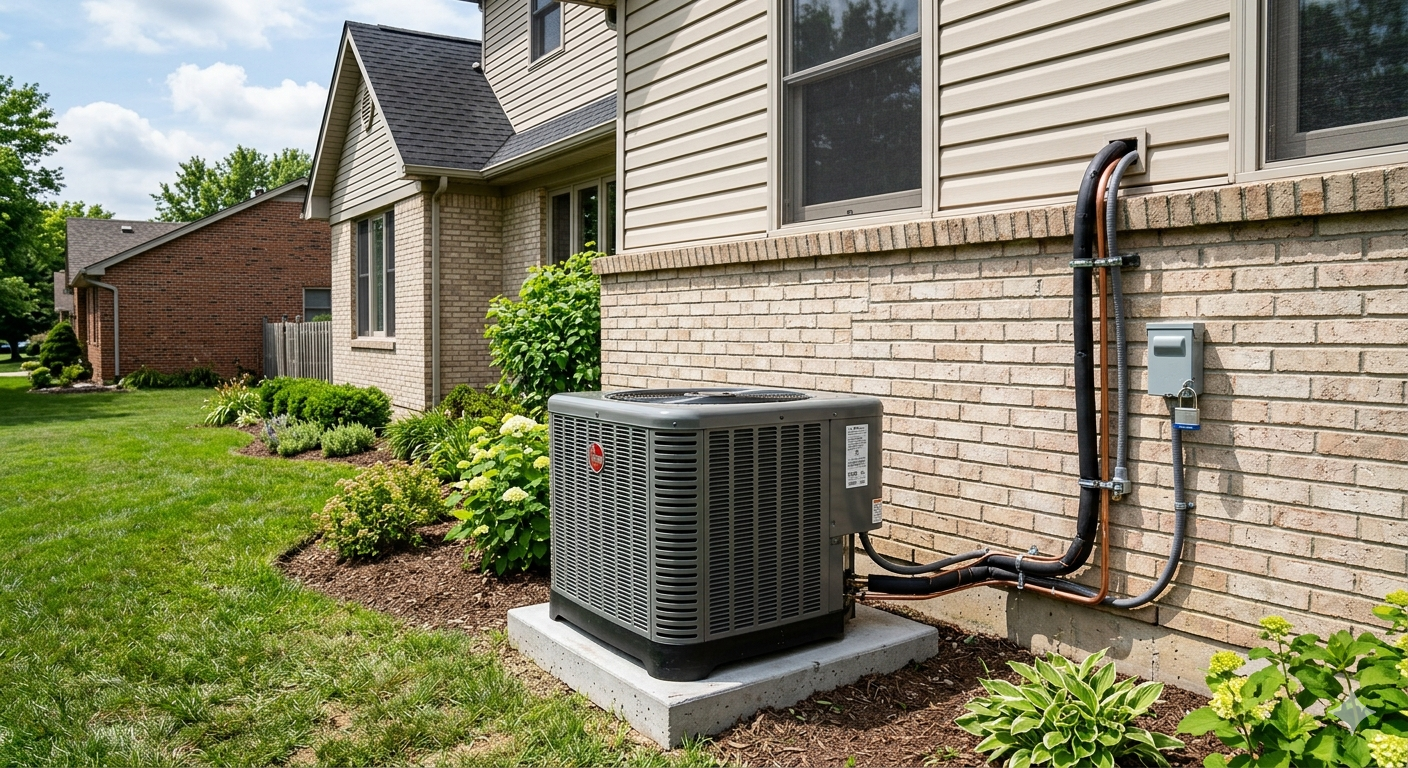
Your HVAC system operates as an integrated network where the outdoor condenser, indoor air handler, refrigerant lines, ductwork, and thermostat must all function correctly for the system to deliver consistent comfort. Repair work starts with testing refrigerant pressures, measuring airflow at supply registers, checking electrical connections at the contactor and capacitor, and inspecting the condensate drain for blockages that force the system to shut down on the float switch. Installation involves calculating Manual J load requirements based on your home's orientation, window area, and insulation before selecting equipment that matches those conditions.
After service is completed, you notice rooms reach set temperatures without the system running continuously, humidity levels drop to comfortable ranges even during monsoon season, and monthly utility costs align with expected usage for your home size. E and E Air Conditioning calibrates thermostat anticipators, verifies correct refrigerant superheat and subcooling readings, and tests capacitor microfarad values to confirm the compressor and fan motors receive proper voltage under load.
Maintenance intervals vary based on system age and runtime hours, but most residential equipment in South Texas benefits from pre-season inspections that catch worn contactors, weakened capacitors, and restricted airflow before those conditions cause compressor failure. Service includes filter replacement, coil cleaning, and drain line clearing that directly affect how efficiently your system removes heat from indoor air.
Questions Before Starting Your Project
Homeowners typically want to understand what the service involves, how decisions get made, and what changes after the work is completed.
What causes some rooms to stay warmer than others even when the system runs constantly?
Undersized ductwork feeding those rooms restricts airflow below what's needed to transfer heat effectively, or supply vents may be positioned where furniture blocks air circulation. Duct modifications or additional return pathways typically resolve temperature imbalances that thermostat adjustments cannot fix.
How does system sizing affect long-term performance and energy costs?
Oversized units cool air quickly but shut down before dehumidifying properly, leaving homes feeling clammy, while undersized systems run continuously without reaching set temperatures during peak afternoon heat. Load calculations account for window exposure, insulation R-values, and occupancy patterns to match equipment capacity to actual cooling demand.
When should older systems be replaced rather than repaired?
Compressor replacement on a system older than twelve years typically costs more than half the price of a new installation, and older units operate at lower SEER ratings that waste energy compared to current equipment. Refrigerant type also matters since R-22 systems face rising refrigerant costs as supply dwindles.
What maintenance actually prevents breakdowns during Laredo summers?
Cleaning condenser coils removes insulating dirt layers that force the compressor to work harder, replacing capacitors before they fail prevents motor burnout, and clearing condensate drains stops overflow shutdowns during high-humidity periods. These tasks address the most common failure points in residential systems operating in extended cooling seasons.
How long does installation take for a typical residential system?
Most single-system changeouts require one full day for removing old equipment, installing the new air handler and condenser, pressure-testing refrigerant lines, and verifying correct operation under load. Additional time applies when ductwork modifications or electrical upgrades are needed to meet current code requirements.
E and E Air Conditioning provides detailed system assessments that identify whether your current equipment can be restored to reliable operation or whether replacement offers better long-term value. Request a service appointment to review your home's specific cooling challenges and equipment options.