
Zone Control Without Existing Ductwork Requirements
Mini Splits in Laredo, San Antonio, and surrounding areas for room additions, converted garages, or homes lacking central air distribution
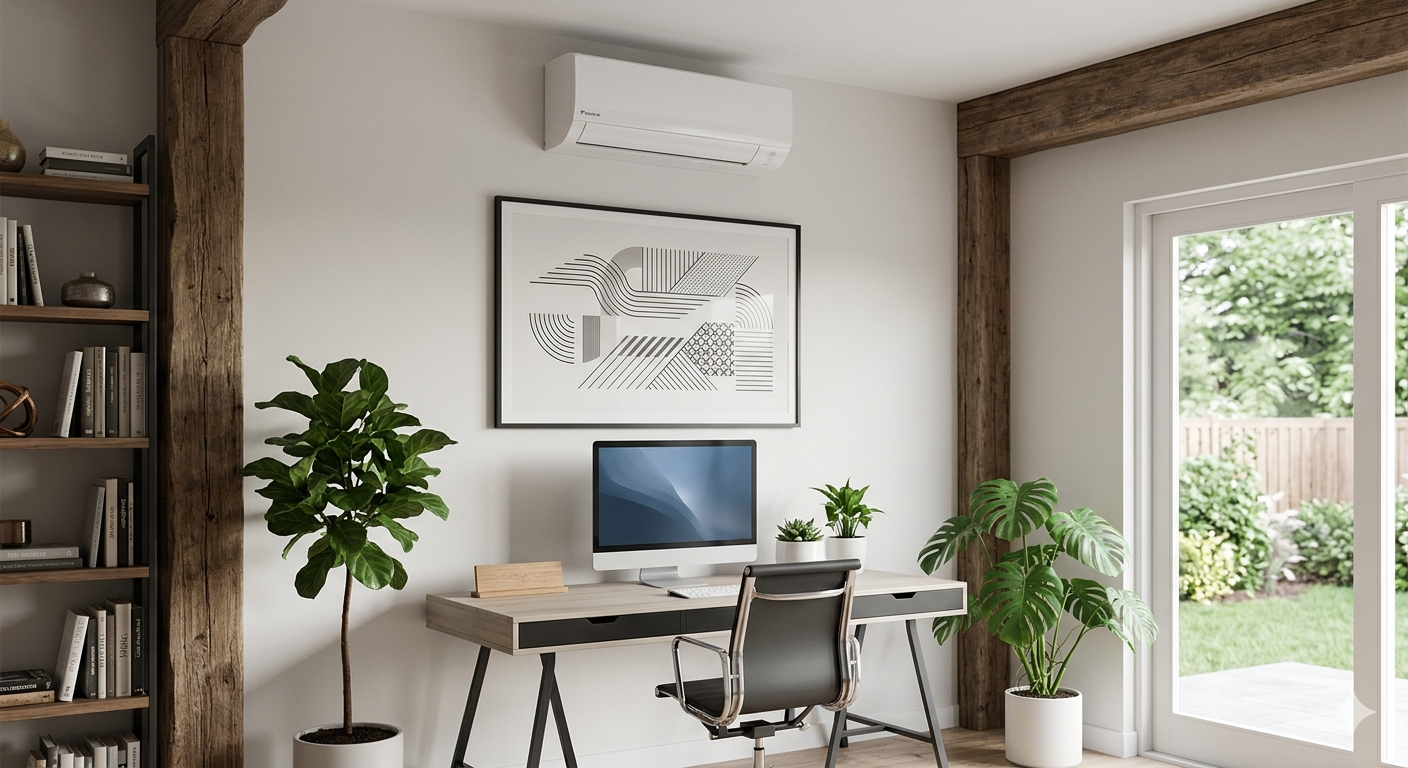
Ductless mini split systems deliver targeted heating and cooling to specific rooms through wall-mounted air handlers connected to an outdoor compressor by refrigerant lines that run through a three-inch diameter hole. E and E Air Conditioning installs mini splits in spaces where extending existing ductwork would require cutting through load-bearing walls or dropping ceilings, and in buildings where no ductwork exists at all. Each indoor unit operates independently with its own thermostat, so you control temperatures room by room rather than forcing the entire home to one setting.
Installation involves mounting the outdoor condenser on a concrete pad or wall bracket, drilling the line set penetration through the exterior wall, mounting the indoor air handler, connecting refrigerant and condensate lines, pulling a vacuum on the refrigerant circuit to remove moisture and air, and releasing the factory refrigerant charge. The compact design works in tight spaces where traditional ducted systems cannot fit.
Arrange a consultation to review placement options for your specific room layout and cooling requirements in Laredo, San Antonio, McAllen, and surrounding areas.
Why Ductless Systems Work for Specific Situations
Mini splits deliver cooled air directly into the room without the energy losses that occur in ductwork running through hot attics, and variable-speed compressors ramp cooling output up or down to match demand rather than cycling on and off at full capacity. This approach reduces energy consumption compared to window units that run at single speed and allows heating capability through the same equipment by reversing refrigerant flow.
After installation, you notice each room reaches its set temperature independently without affecting other spaces, the indoor units operate at sound levels around 30 decibels—quieter than most central system supply vents—and you eliminate the cold spots near air handlers or hot spots far from ductwork that occur with single-zone systems. The lack of ductwork also means no air leakage into unconditioned spaces and no dust accumulation in sheet metal runs that require periodic cleaning.
Mini splits work particularly well for sunrooms that gain significant heat through glass, for bedroom additions where occupants prefer different temperatures than main living areas, and for detached workshops or guest houses where running ductwork from the main system would be cost-prohibitive. Systems include remote controls and many offer smartphone connectivity for temperature adjustment without walking to the wall-mounted unit.
Common Questions About This Service
Property owners considering ductless systems typically want to know how they differ from central air and what installation requires.
What size mini split matches a specific room?
Load calculations based on square footage, ceiling height, window area, and insulation determine capacity, with most bedrooms requiring 9,000 to 12,000 BTU units and larger living spaces needing 18,000 to 24,000 BTU depending on heat gain from windows and exterior walls.
How do installation requirements differ from central systems?
Mini splits need only a three-inch wall penetration for refrigerant lines and electrical wiring rather than bulkhead framing for supply ducts, and the outdoor condenser requires a level mounting surface with clearance for airflow rather than the larger pad needed for central system condensers.
When does it make sense to install multiple indoor units?
Multi-zone systems connect up to five indoor air handlers to one outdoor compressor, which works well for homes where several rooms need independent temperature control but running separate systems for each space would require too many outdoor units.
Why do mini splits cost more per room than extending ductwork in South Texas?
While mini split equipment carries higher upfront cost, the energy savings from eliminating duct losses in hot attics—where temperatures reach 140 degrees in summer—often offset the initial investment within three to five cooling seasons based on typical runtime here.
What maintenance do ductless systems require?
Indoor air handler filters need cleaning monthly during heavy use, annual professional service includes outdoor coil cleaning and refrigerant charge verification, and condensate drain lines require inspection to prevent clogs that cause water backup into the wall cavity.
E and E Air Conditioning handles mini split installation, repair, and maintenance with attention to proper refrigerant charge and indoor unit placement for optimal air distribution. Call (956) 284-6867 to schedule a site evaluation for your specific cooling needs.