Replacement Systems Built for Long-Term Reliability
HVAC Changeouts in Laredo and throughout South Texas for systems requiring frequent refrigerant recharge or displaying compressor short-cycling
When your existing system develops repeated compressor failures or requires refrigerant additions multiple times per season, replacement becomes more cost-effective than ongoing repairs. E and E Air Conditioning evaluates current equipment performance and matches replacement units to your home's actual cooling load, which prevents oversized systems that cycle too frequently and undersized systems that run continuously. The evaluation measures ductwork condition, insulation levels, and window heat gain to determine the capacity your home actually requires.
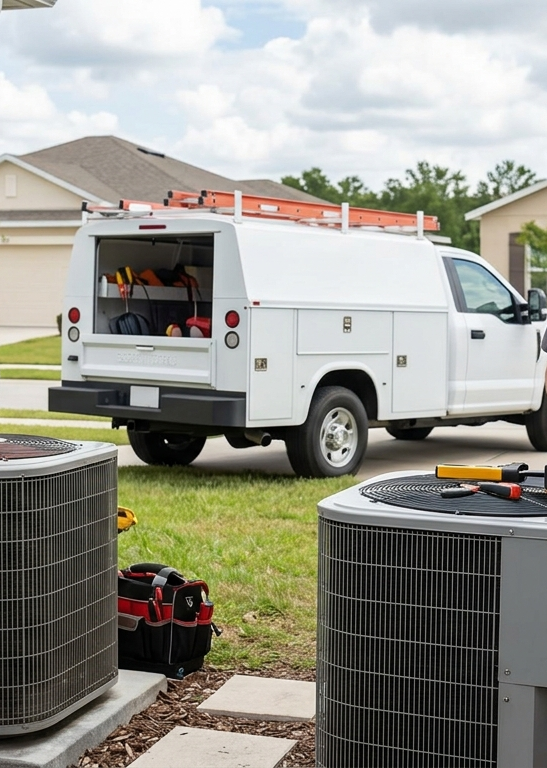
Changeout work involves removing the old outdoor condenser and indoor air handler, verifying that existing refrigerant lines meet current diameter and insulation standards, confirming electrical service capacity supports the new equipment, and installing the replacement system with proper refrigerant charge verified by subcooling and superheat measurements. Systems older than 12 years typically operate at SEER ratings below 13, while current units reach SEER 16 or higher, which translates to measurably lower energy consumption for the same cooling output.
Request a replacement assessment to compare your current system efficiency against available equipment options in Laredo, New Braunfels, Boerne, and surrounding areas.
How New Equipment Changes Daily Operation
Replacement planning includes load calculations based on your home's square footage, ceiling height, window orientation, and insulation R-values to select equipment that matches actual demand. This prevents the comfort problems that occur when contractors install units based solely on existing equipment size without verifying that size was correct originally.
Once the new system operates, you notice the compressor runs for longer intervals but cycles on less frequently because properly sized equipment reaches temperature setpoints without the constant short-cycling that wears components prematurely, indoor humidity stays lower because adequate run time allows moisture removal from the evaporator coil, and monthly energy costs drop because higher-efficiency compressors and variable-speed blowers consume less electricity per cooling ton delivered. The first summer after replacement typically shows a 25 to 40 percent reduction in cooling costs compared to an older system that required frequent repairs.
Changeout projects include disposal of the old equipment, leak testing of all refrigerant connections before startup, and documentation of the new system's baseline performance measurements. Warranty coverage begins at installation and extends for parts based on the manufacturer and labor based on the installer agreement.
Questions Before Replacing Existing Systems
Understanding what replacement involves and how new equipment performs helps homeowners make informed decisions about system investment.
What determines the right size for replacement equipment?
Manual J load calculations account for your home's insulation, window area, ductwork layout, and occupancy patterns to determine the actual cooling capacity required, which often differs from the tonnage of the system being replaced.
How long does a complete changeout take from start to finish?
Most residential changeouts require one full day for removal and installation, though homes with difficult equipment access or ductwork modifications may extend to two days depending on specific site conditions.
Why does equipment efficiency matter more in South Texas than in milder climates?
Systems here run nearly eight months annually under high cooling demand, so the energy savings from a SEER 16 unit versus a SEER 13 unit accumulate to hundreds of dollars per year because of the extended operating season and frequent afternoon temperatures above 95 degrees.
When should replacement happen instead of another repair?
If repair costs exceed 50 percent of replacement cost and the system is over 10 years old, replacement typically provides better value, and if refrigerant leaks occur in the evaporator coil or compressor rather than connection points, finding and fixing those leaks often costs more than new equipment.
What happens to the old system after removal?
Refrigerant must be recovered and recycled according to EPA regulations before disposal, copper lines are typically salvaged, and the remaining components are processed as scrap metal rather than going to standard landfills.
E and E Air Conditioning provides replacement estimates that include equipment specifications, expected efficiency improvements, and installation timelines. Call (956) 284-6867 to arrange an evaluation of your current system performance.