Maintenance That Prevents Mid-Summer Breakdowns
HVAC Servicing in Laredo for systems requiring routine inspections, performance optimization, and seasonal preparation before extreme temperatures arrive
South Texas cooling systems operate under continuous load from May through October, accumulating thousands of runtime hours that wear contactors, weaken capacitors, and coat condenser coils with dust that insulates metal fins and reduces heat transfer efficiency. Regular servicing addresses these wear patterns before they progress to component failures that leave homes without air conditioning during hundred-degree afternoons when replacement parts may not be immediately available and technician schedules fill with emergency calls. E and E Air Conditioning provides inspections, cleaning, and performance checks that extend equipment lifespan, maintain rated efficiency, and catch developing problems during scheduled appointments rather than emergency breakdowns.
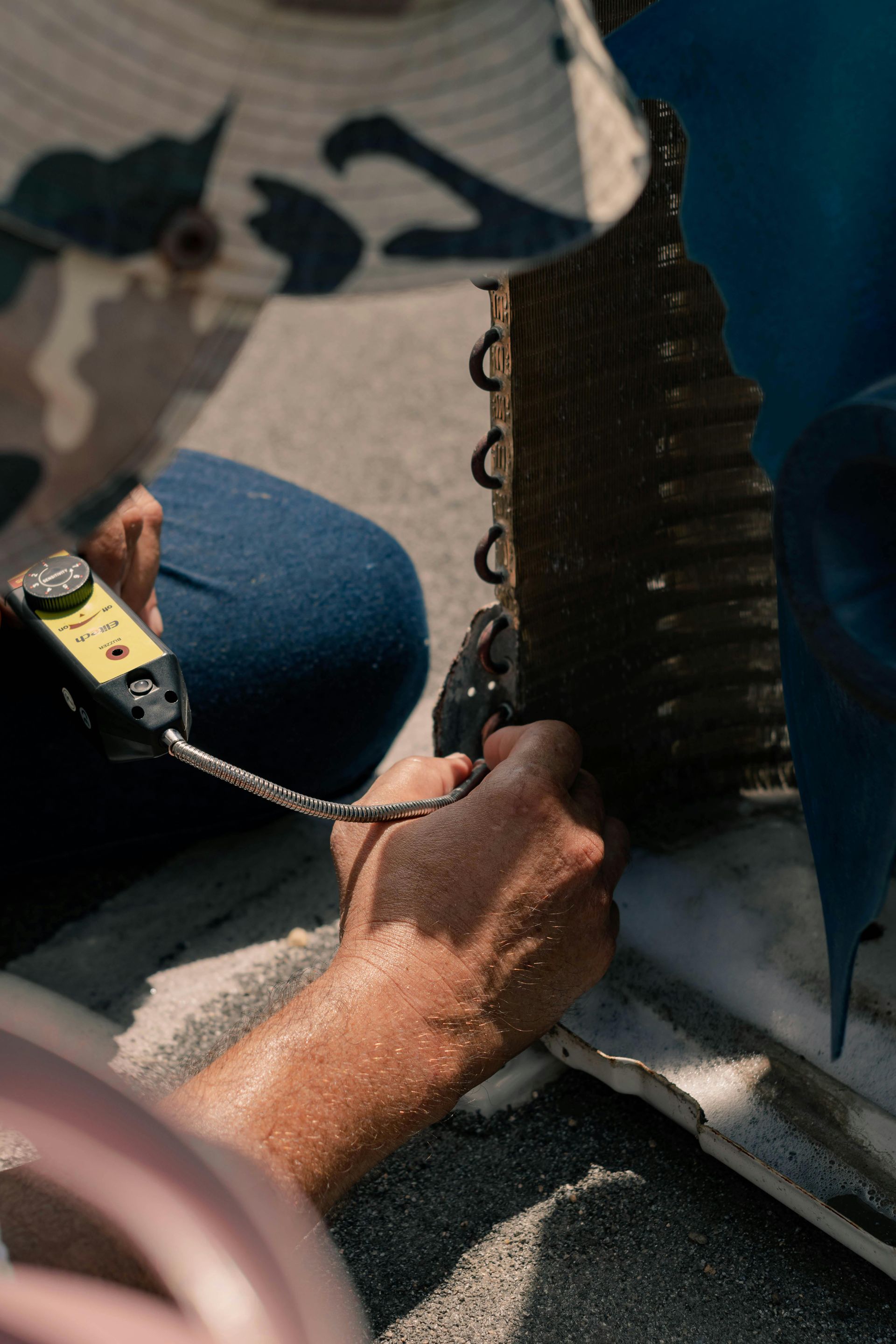
Servicing includes cleaning condenser and evaporator coils to restore heat transfer capacity, testing capacitor microfarad values to identify weakened components before motors burn out, measuring refrigerant pressures to detect slow leaks, inspecting electrical connections for signs of arcing or corrosion, and clearing condensate drain lines that clog with algae growth in humid climates. These tasks target the most common failure points in residential and commercial systems.
Schedule seasonal service visits to prepare your system for peak cooling demand and prevent breakdowns during extreme weather.
The Difference Between Reactive and Preventive Service
Your HVAC system communicates developing problems through subtle performance changes—longer run times to reach set temperatures, increased humidity even when the thermostat shows correct numbers, or higher utility bills without corresponding usage increases. Technicians measure these indicators using amperage draw at motors, temperature splits across coils, and airflow readings at supply registers to identify components operating outside specifications before they fail completely. Condenser coil cleaning removes accumulated dirt that forces compressors to work harder and run hotter, while evaporator coil cleaning restores airflow and prevents ice formation that blocks air delivery entirely.
After servicing is completed, your system reaches set temperatures in less time, cycles less frequently because it transfers heat more efficiently, and maintains lower humidity levels as the evaporator coil stays cold long enough to condense moisture from indoor air. Energy consumption typically drops five to fifteen percent as clean coils and properly functioning components reduce the work required to maintain comfortable conditions, and the risk of mid-season failure decreases substantially when worn parts are replaced during scheduled service rather than after they've already failed.
Service intervals depend on system age and annual runtime, but most equipment in Laredo, McAllen, Boerne, or a surrounding area benefits from pre-season inspections in early spring before cooling demand peaks and post-season checkups in fall that address wear from months of continuous operation. Commercial systems with higher daily runtime often require quarterly service to maintain reliability during business hours, while residential equipment typically needs attention twice annually to prevent the most common failure patterns.
What Property Owners Usually Ask
Homeowners and business managers want to understand what servicing prevents, how frequently it's needed, and what gets checked during appointments.
What specific components are most likely to fail without regular servicing?
Capacitors weaken over time and eventually fail to provide the voltage boost needed to start compressor and fan motors, contactors develop pitting that causes arcing and eventually weld shut, and condensate drains clog with algae that triggers float switch shutdowns. These three failure modes account for the majority of mid-season breakdowns in residential systems.
How does coil cleaning improve system performance beyond just efficiency?
Dirty condenser coils force refrigerant pressures higher, making compressors work harder and run hotter until thermal overload protection shuts the system down, while dirty evaporator coils restrict airflow and can cause coils to freeze as refrigerant temperatures drop too low. E and E Air Conditioning uses coil cleaners that break down accumulated dirt without damaging aluminum fins, restoring both heat transfer capacity and proper refrigerant flow.
When during the year should HVAC servicing be scheduled for Laredo and South Texas properties?
Pre-season service in March or April allows technicians to address worn components before cooling demand peaks and parts availability tightens, while post-season service in November identifies damage from extended operation before equipment sits idle through winter. Early scheduling also avoids the wait times common during peak summer when service calls spike.
What measurements indicate an HVAC system needs attention beyond routine servicing?
Refrigerant superheat readings outside manufacturer specifications indicate leaks or incorrect charge, amperage draw exceeding motor nameplate ratings signals failing capacitors or restricted airflow, and temperature splits below fifteen degrees across evaporator coils show reduced heat transfer from dirty coils or low refrigerant levels. These measurements identify problems that visual inspection alone cannot detect.
How much longer do regularly serviced systems typically last compared to neglected equipment?
Systems receiving annual maintenance typically provide twelve to fifteen years of reliable operation, while neglected equipment often fails after seven to ten years as accumulated dirt, weakened components, and undetected refrigerant leaks accelerate wear. The cost of regular servicing represents a fraction of premature equipment replacement expenses.
E and E Air Conditioning offers service agreements that schedule maintenance automatically and provide priority response if problems develop between appointments. Arrange a servicing appointment to address current system condition and establish a maintenance schedule that protects your equipment investment.